![How Public Space Encourages Joyful, Intergenerational Connection [London]](https://images.squarespace-cdn.com/content/v1/5b63c07485ede1aa9c4b6ced/1614666495100-82WJH47JNSXU0JQC0D26/London+Mews_Joyful+Urbanist.jpg)
How Public Space Encourages Joyful, Intergenerational Connection [London]
During the 2019-2020 holiday season, we stayed in London at a hotel within the Marylebone borough. I remember one particular morning I had gotten up early and decided to go for a walk through the neighborhood. As I opened my umbrella and stepped onto the street, I turned on Play by Stuart Brown and made my way through the residential area. Within a couple of blocks, I was pleasantly surprised by encountering a view of my first mews.
As an urban designer, I have studied a number of mewses by drawing them in plan and section. However, that doesn’t even come close to the experience of a mews. Particularly within the greater context of the neighborhood.
“Marylebone Borough, London”
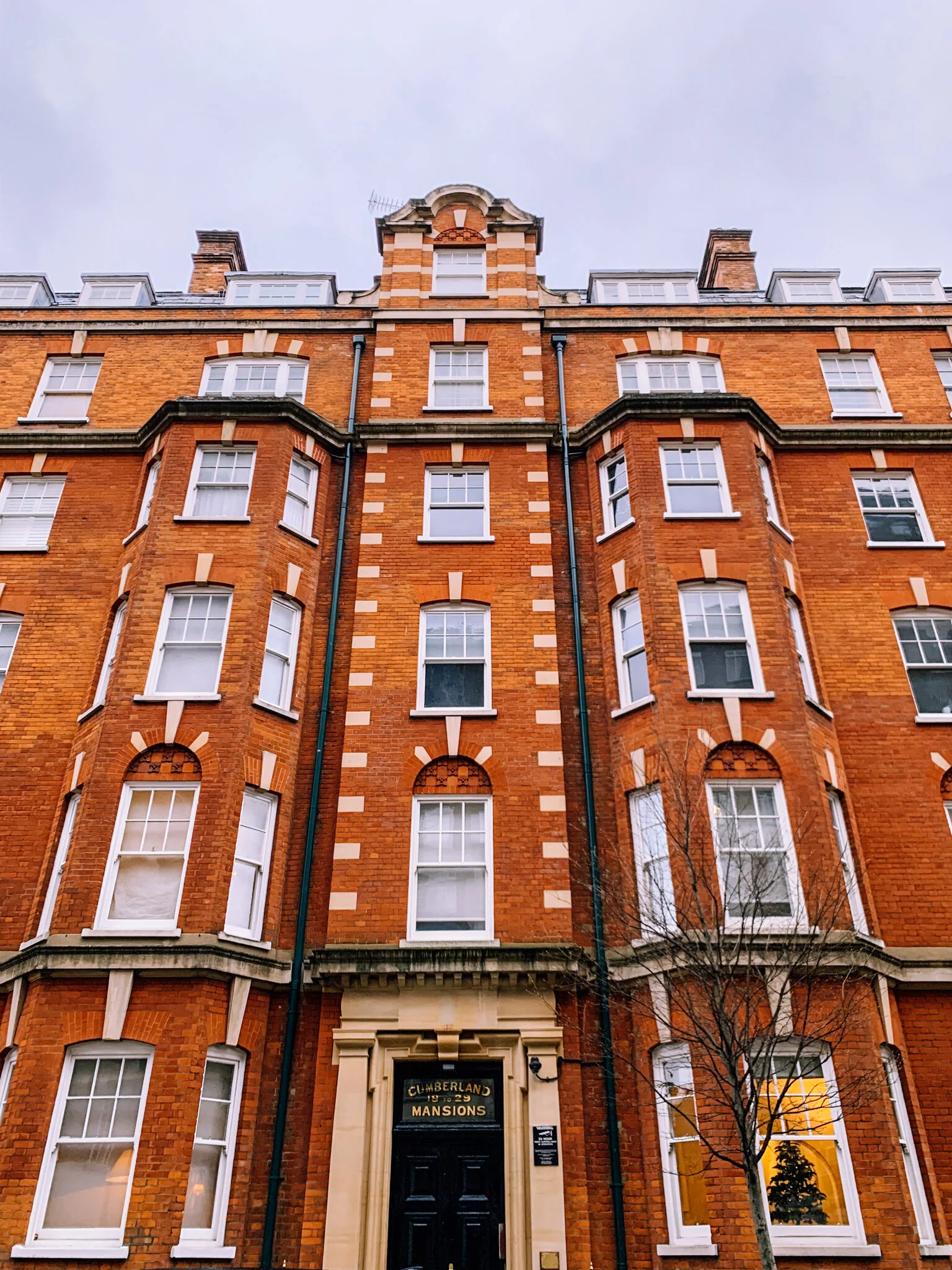
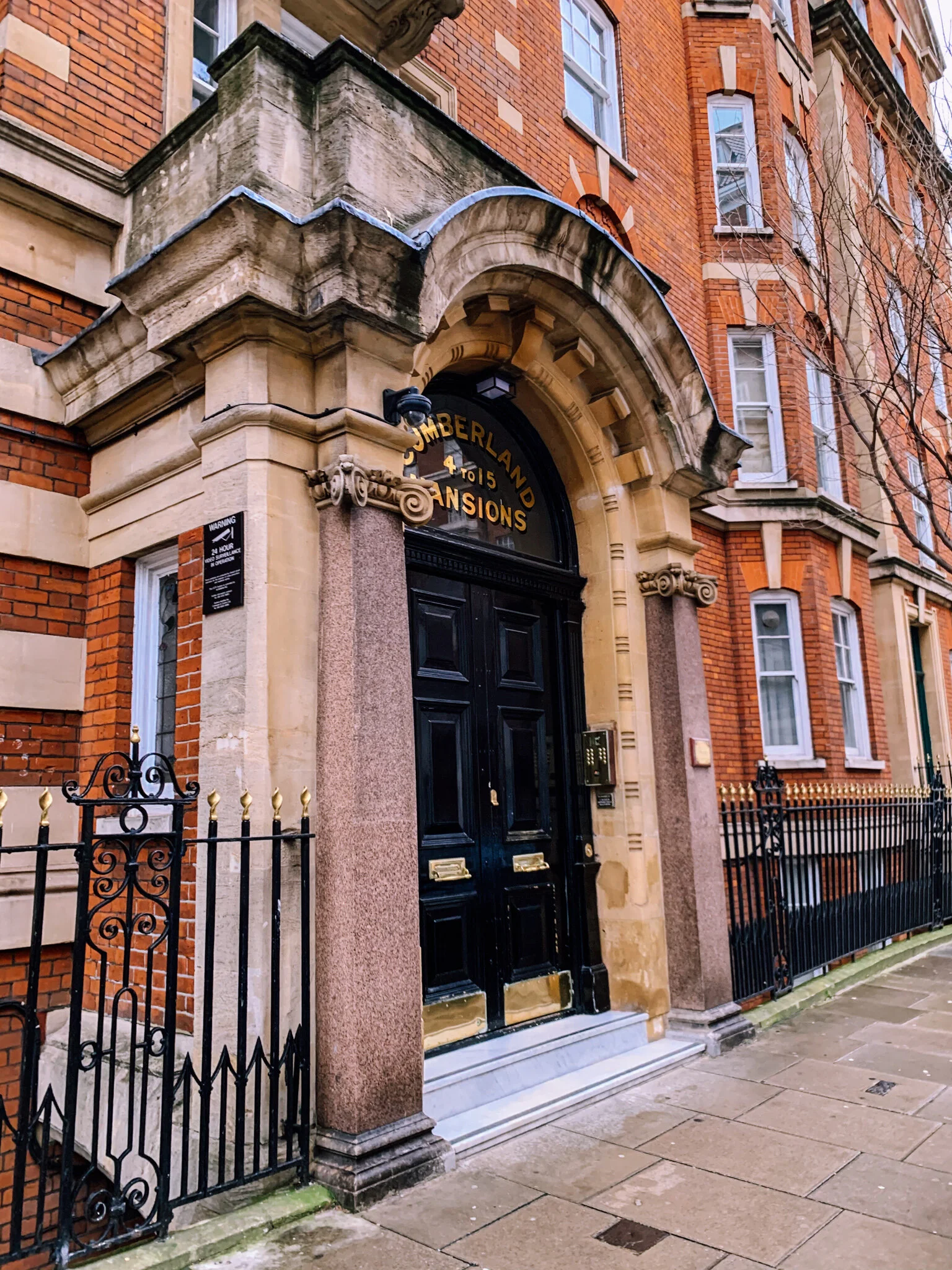
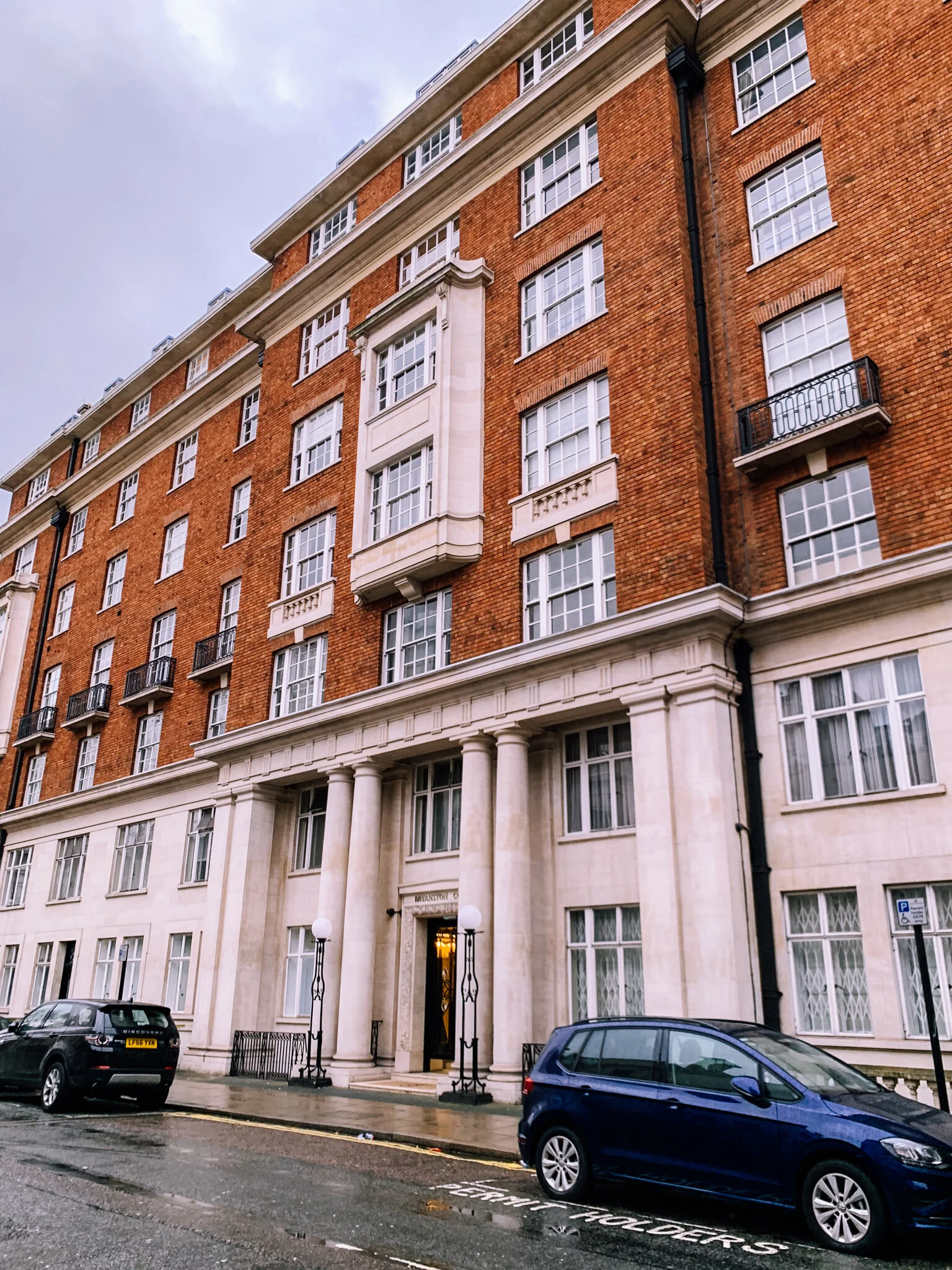
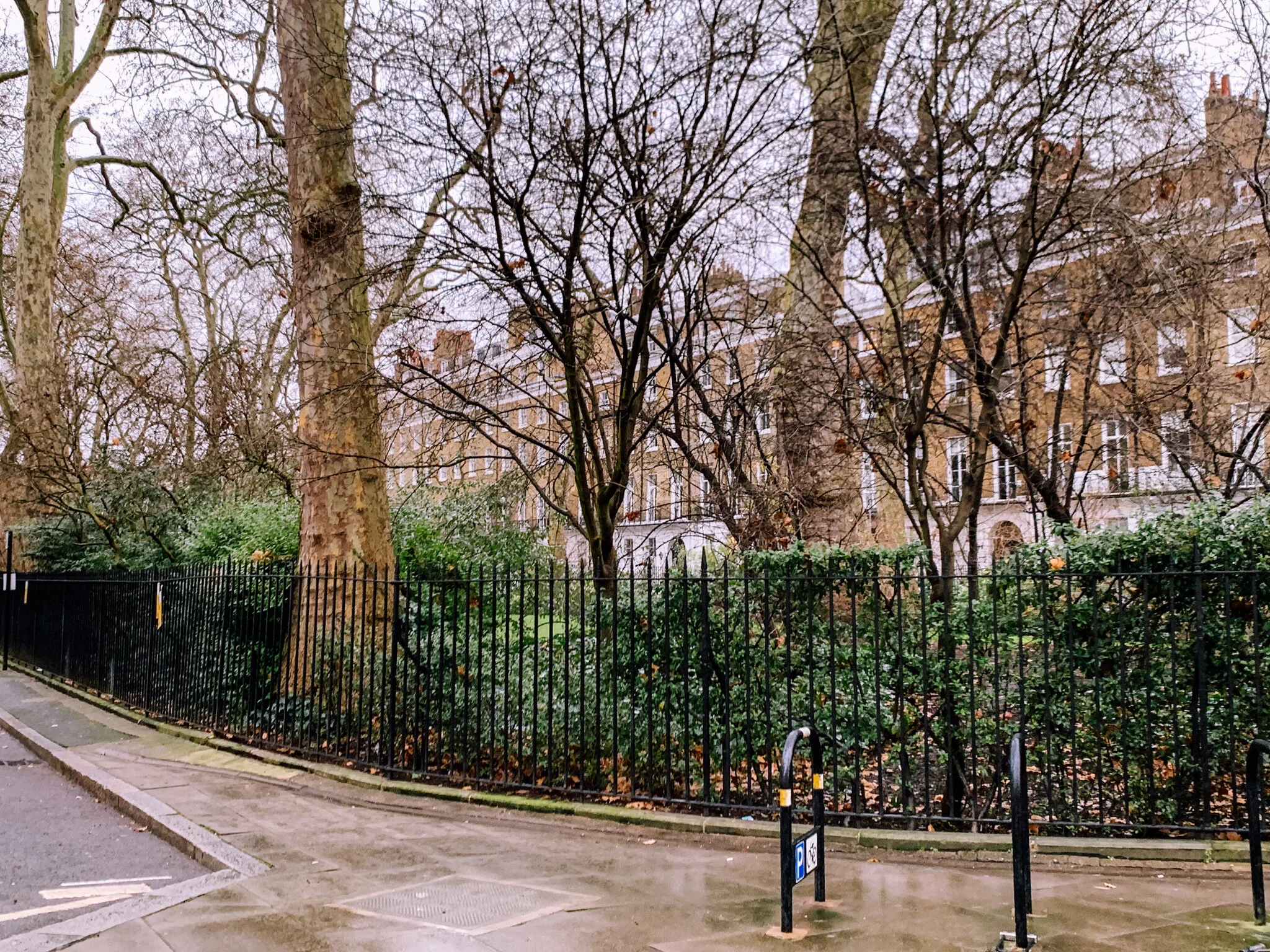
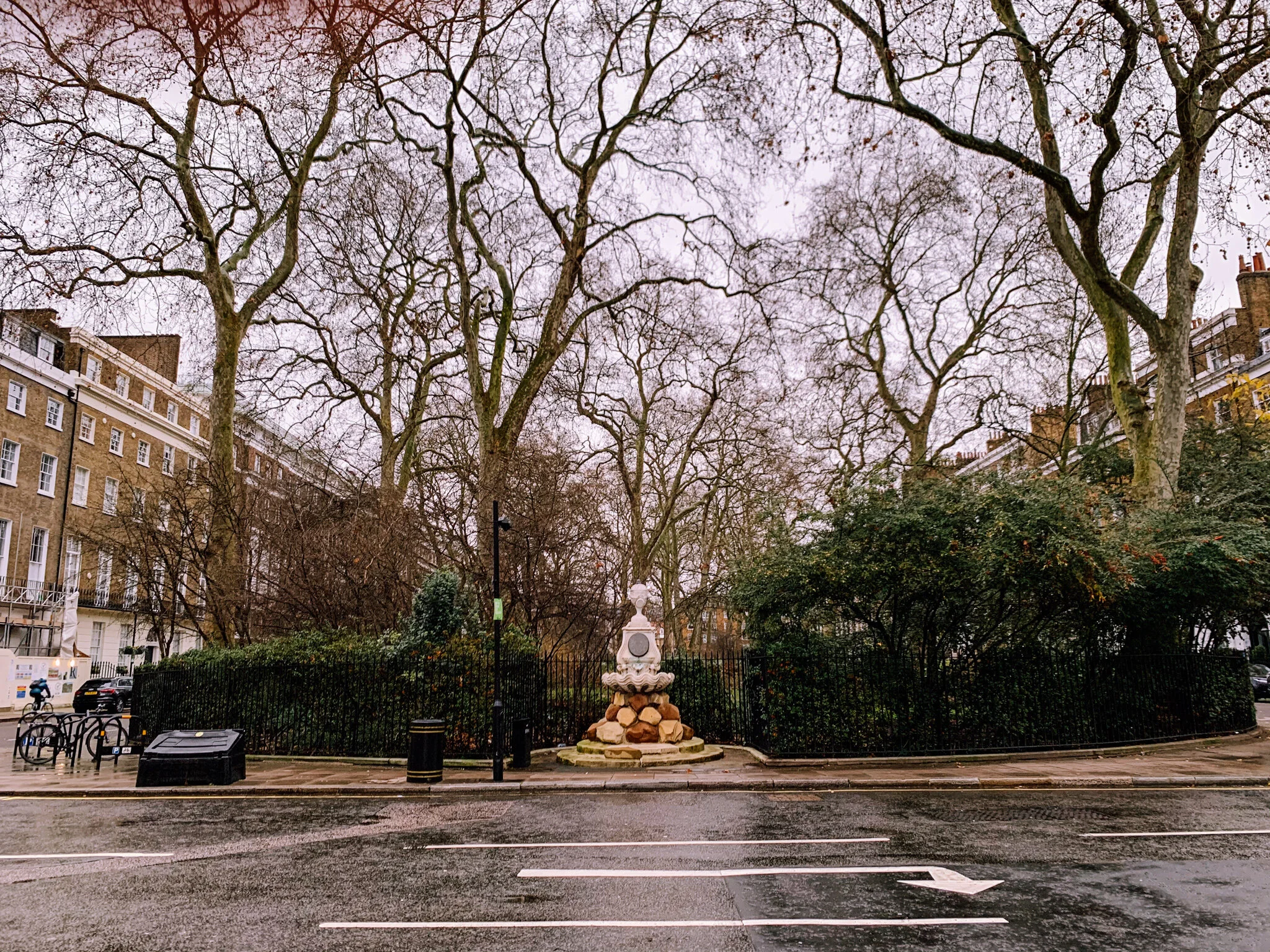
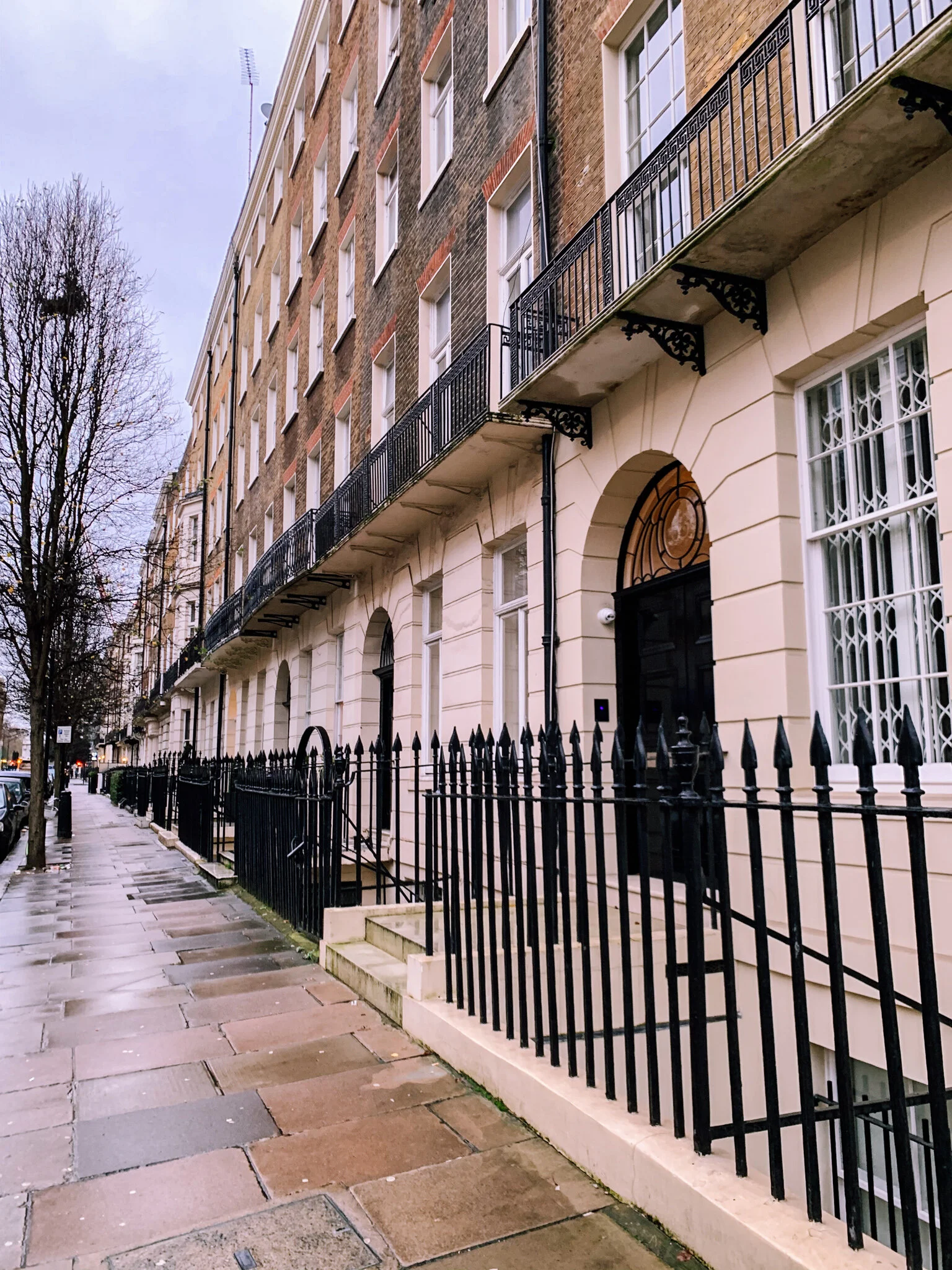
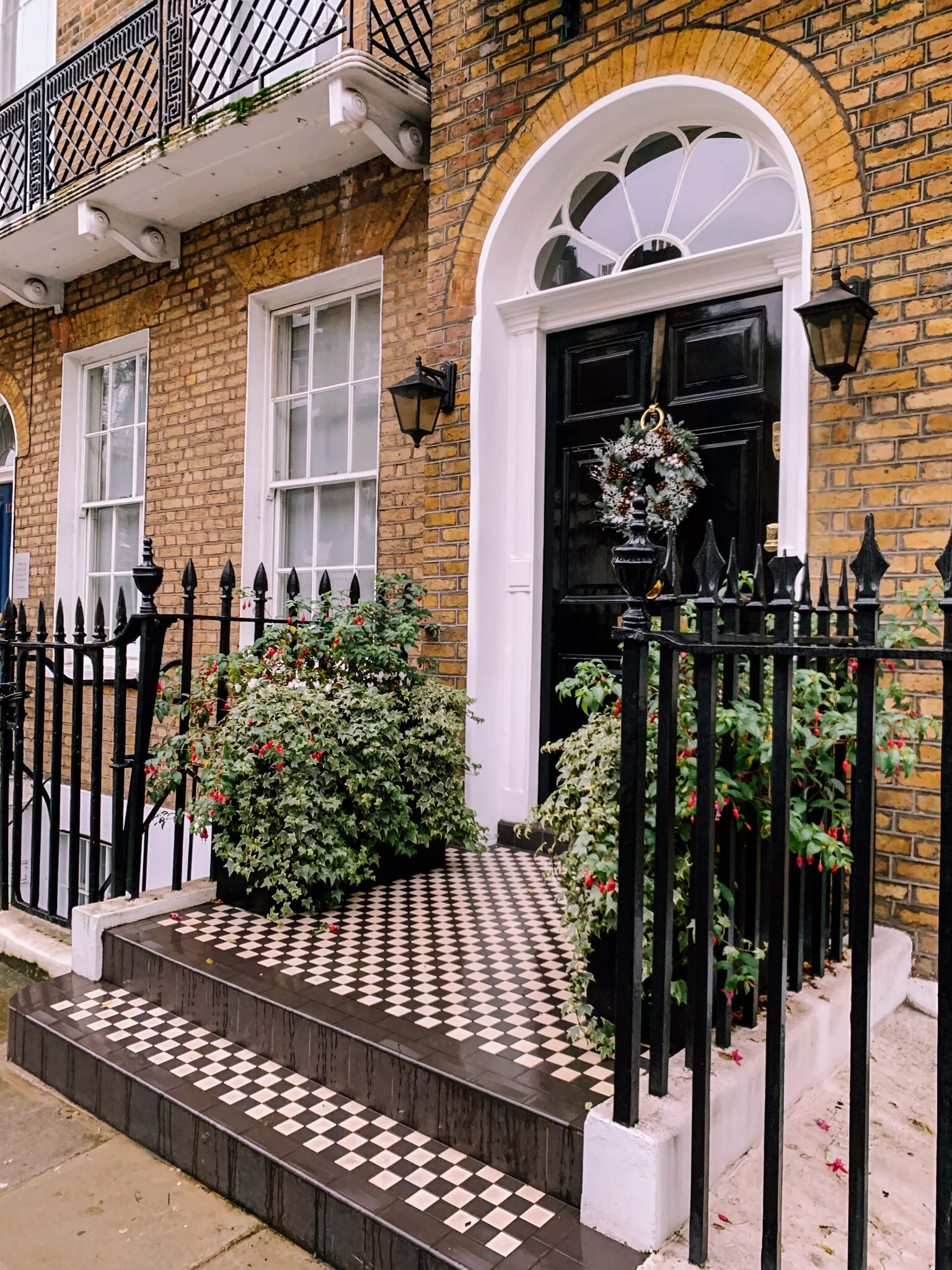
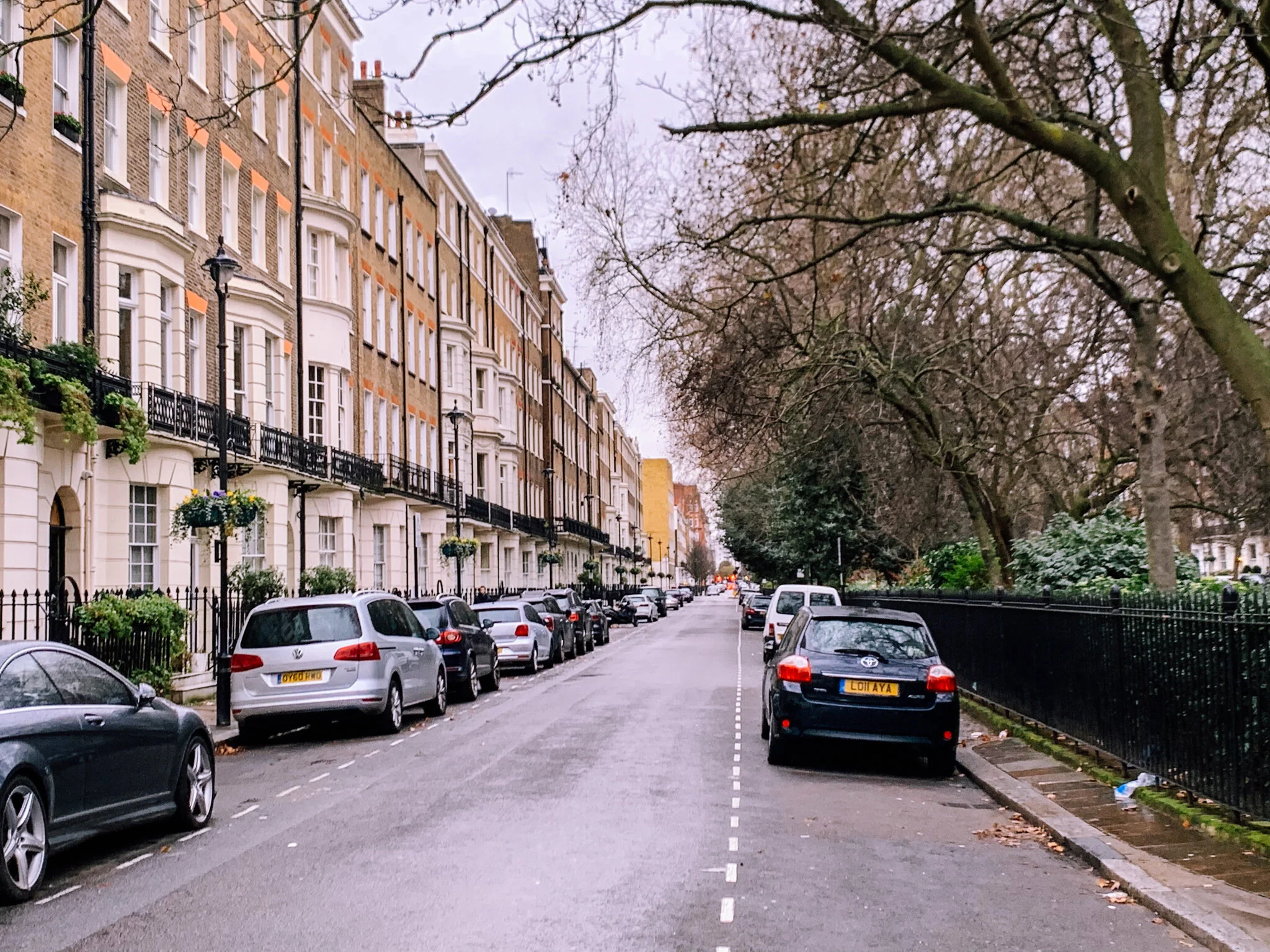
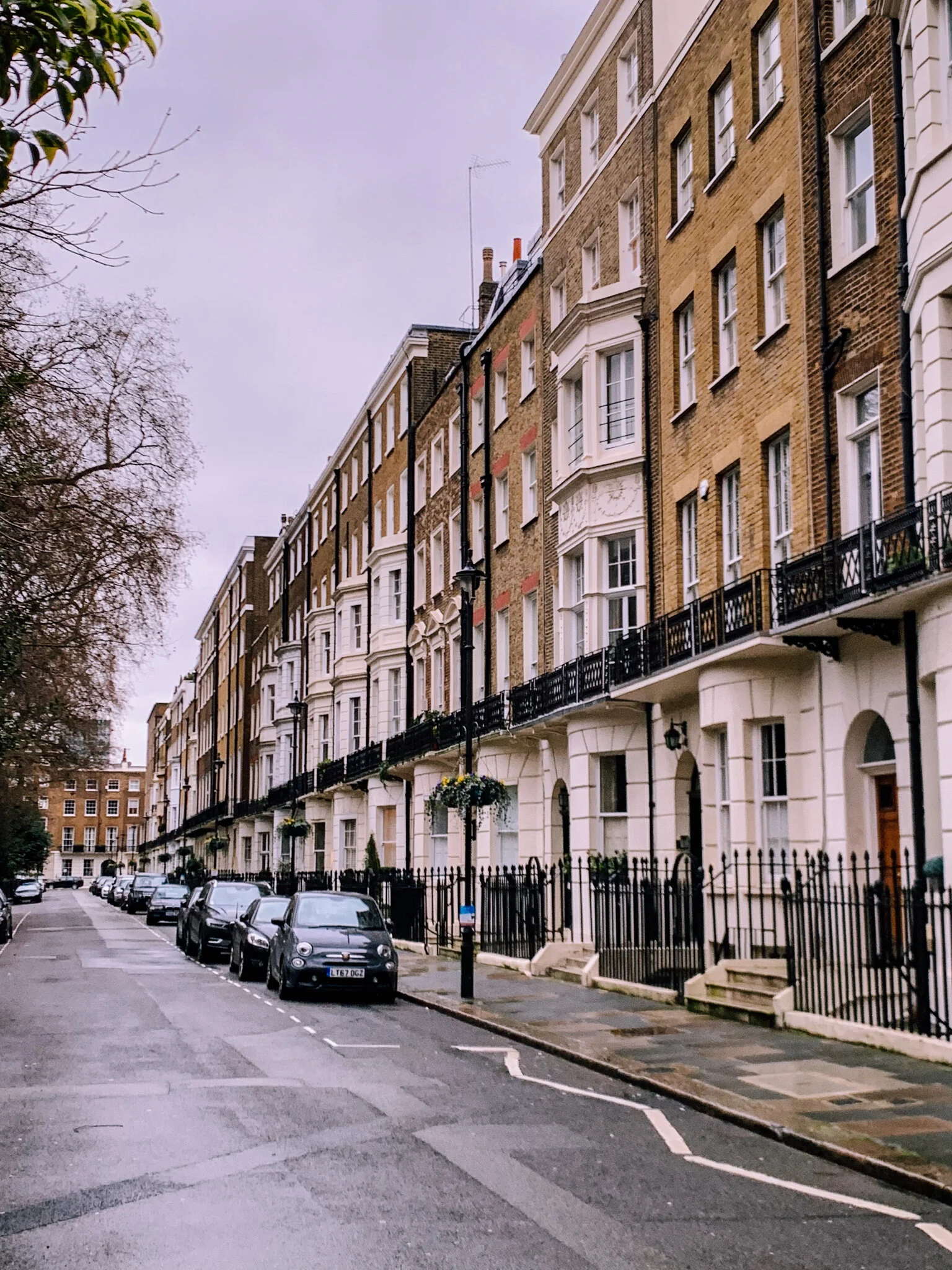
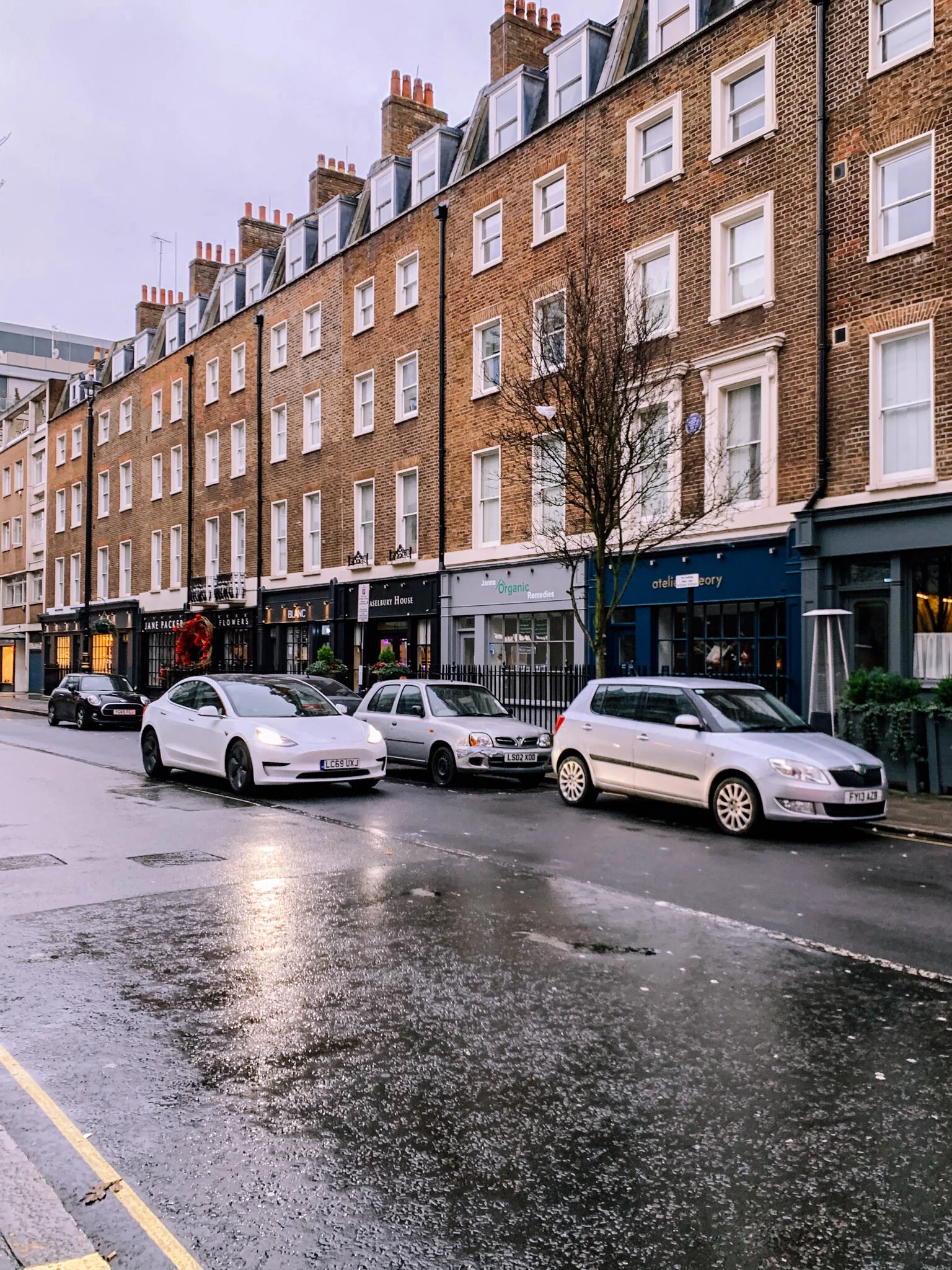
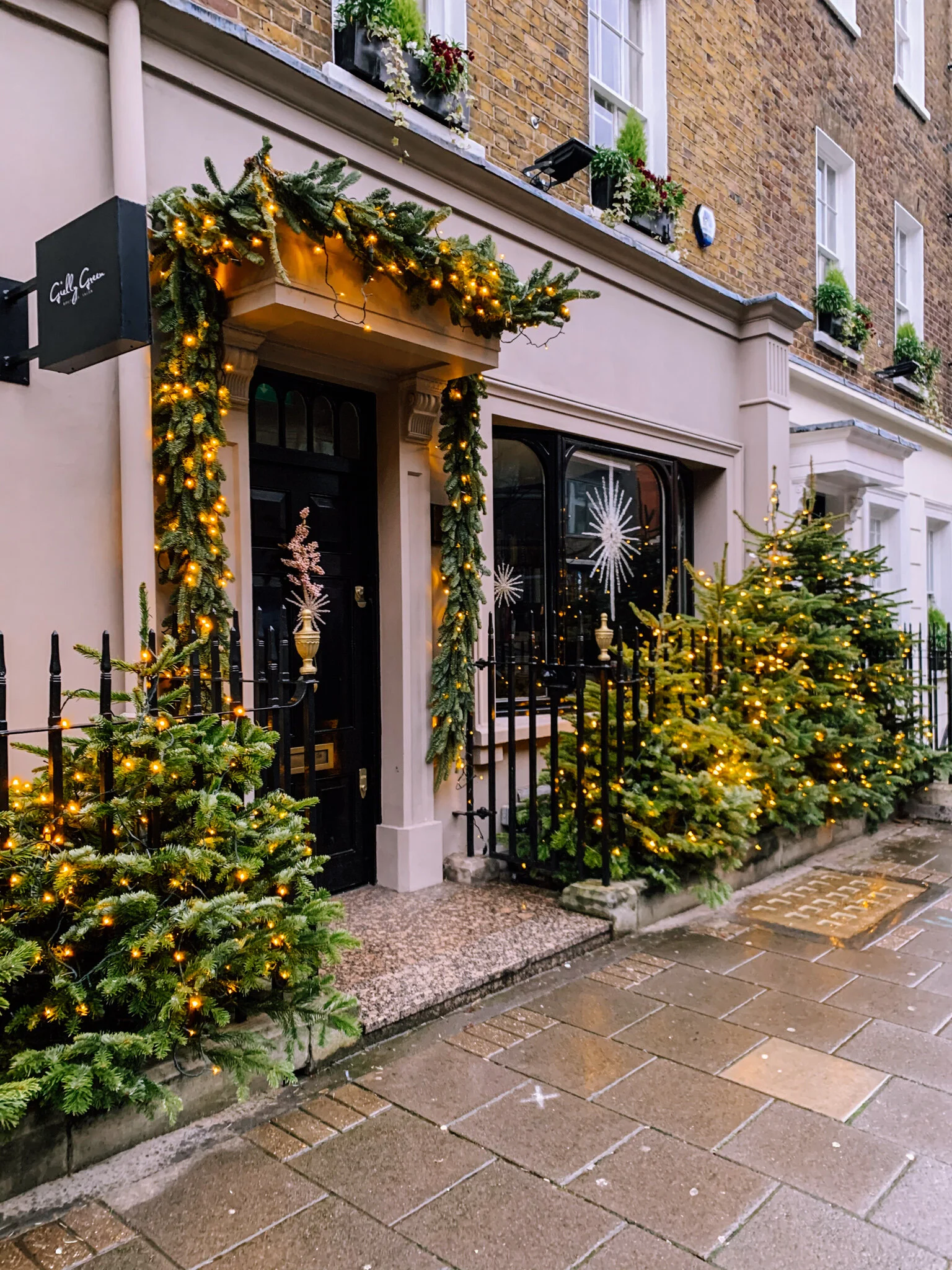
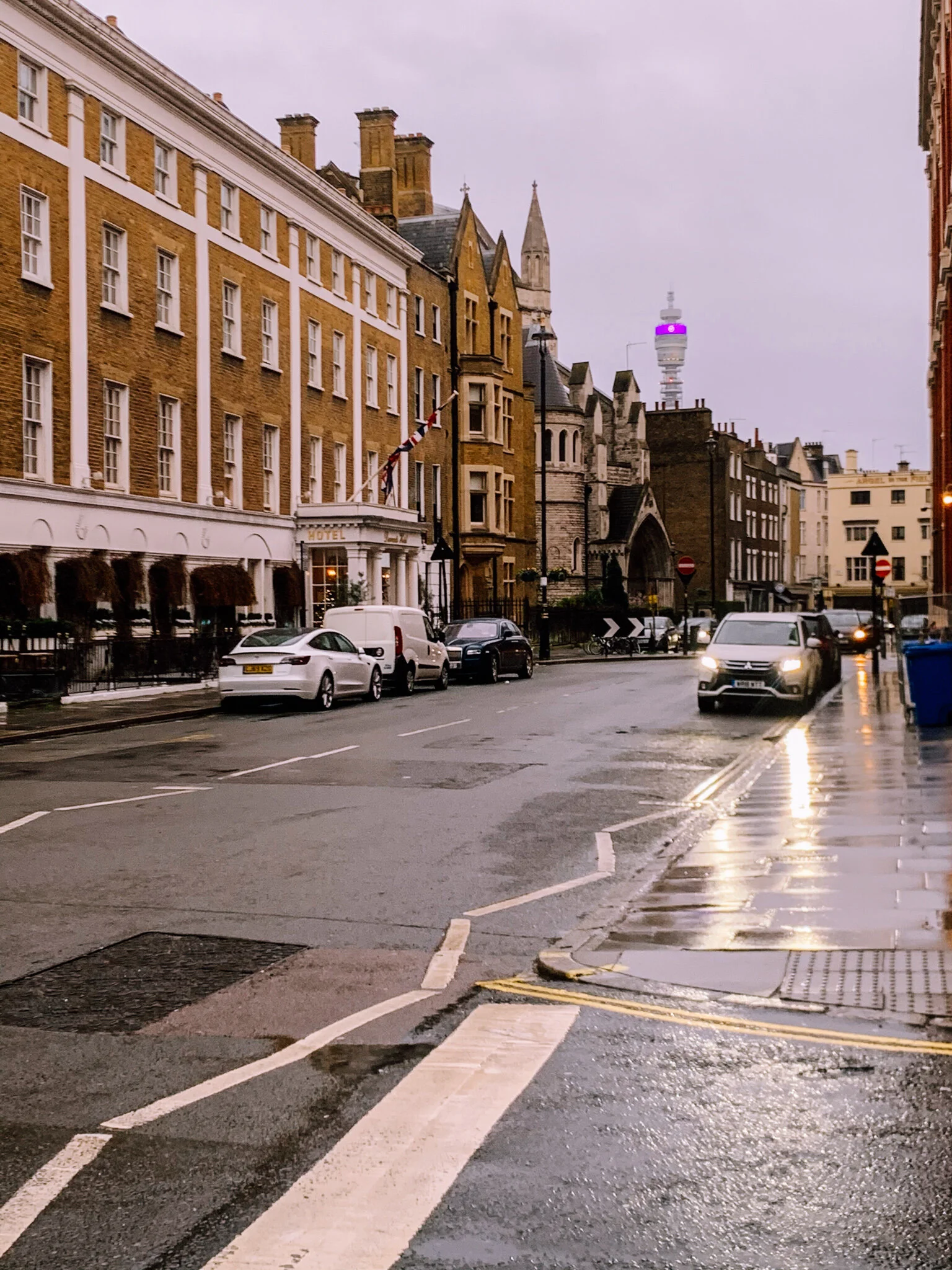
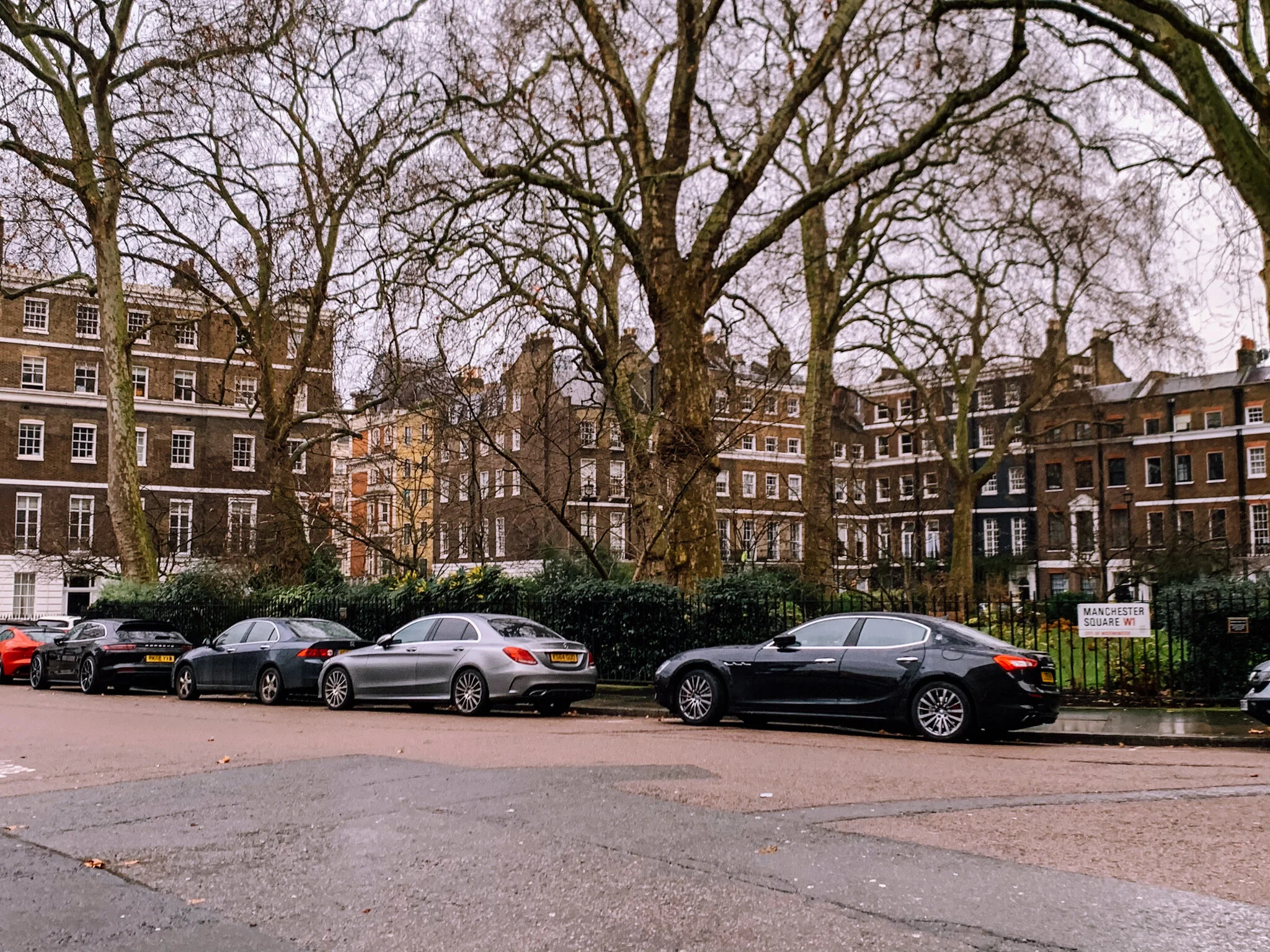
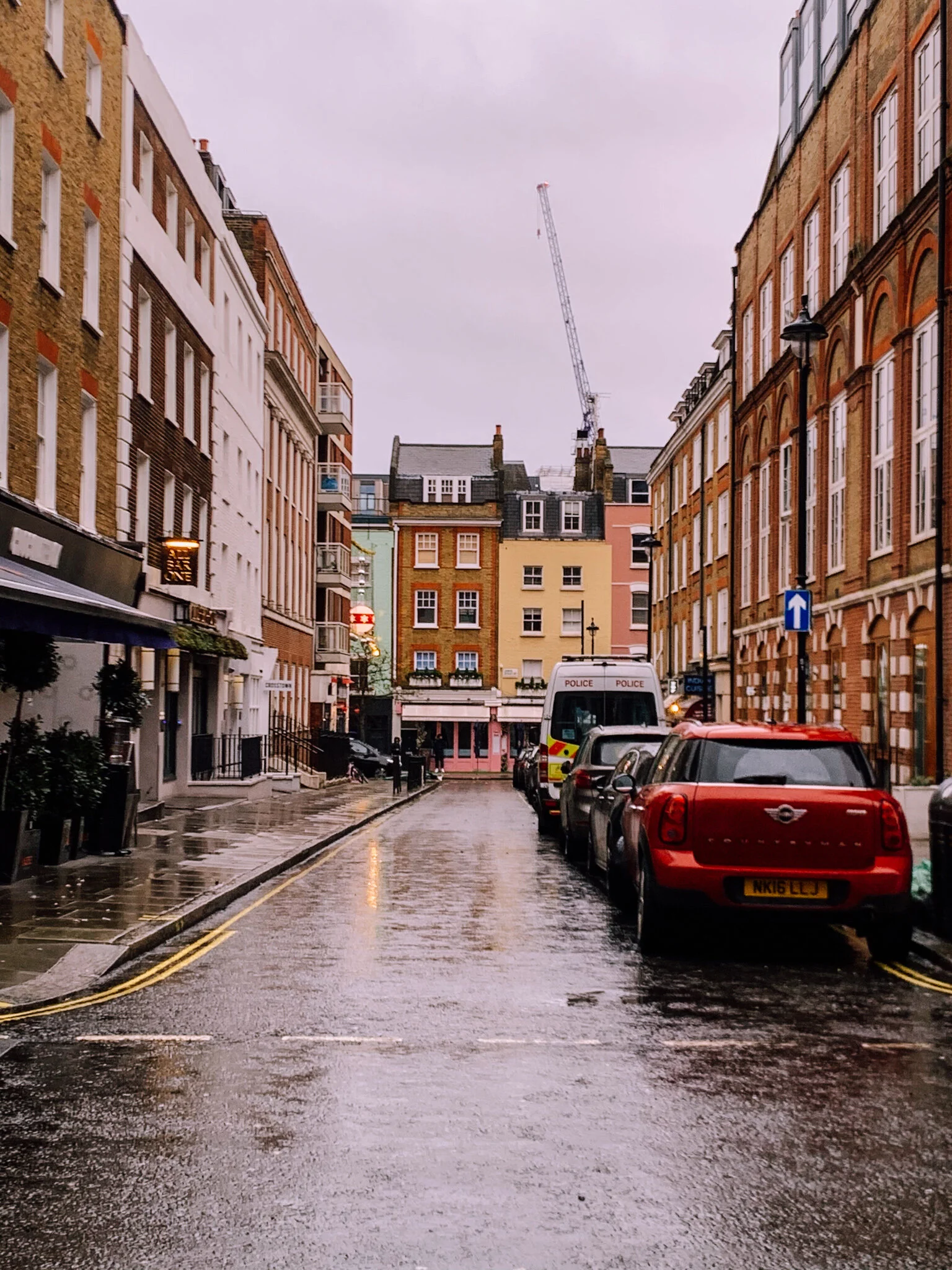
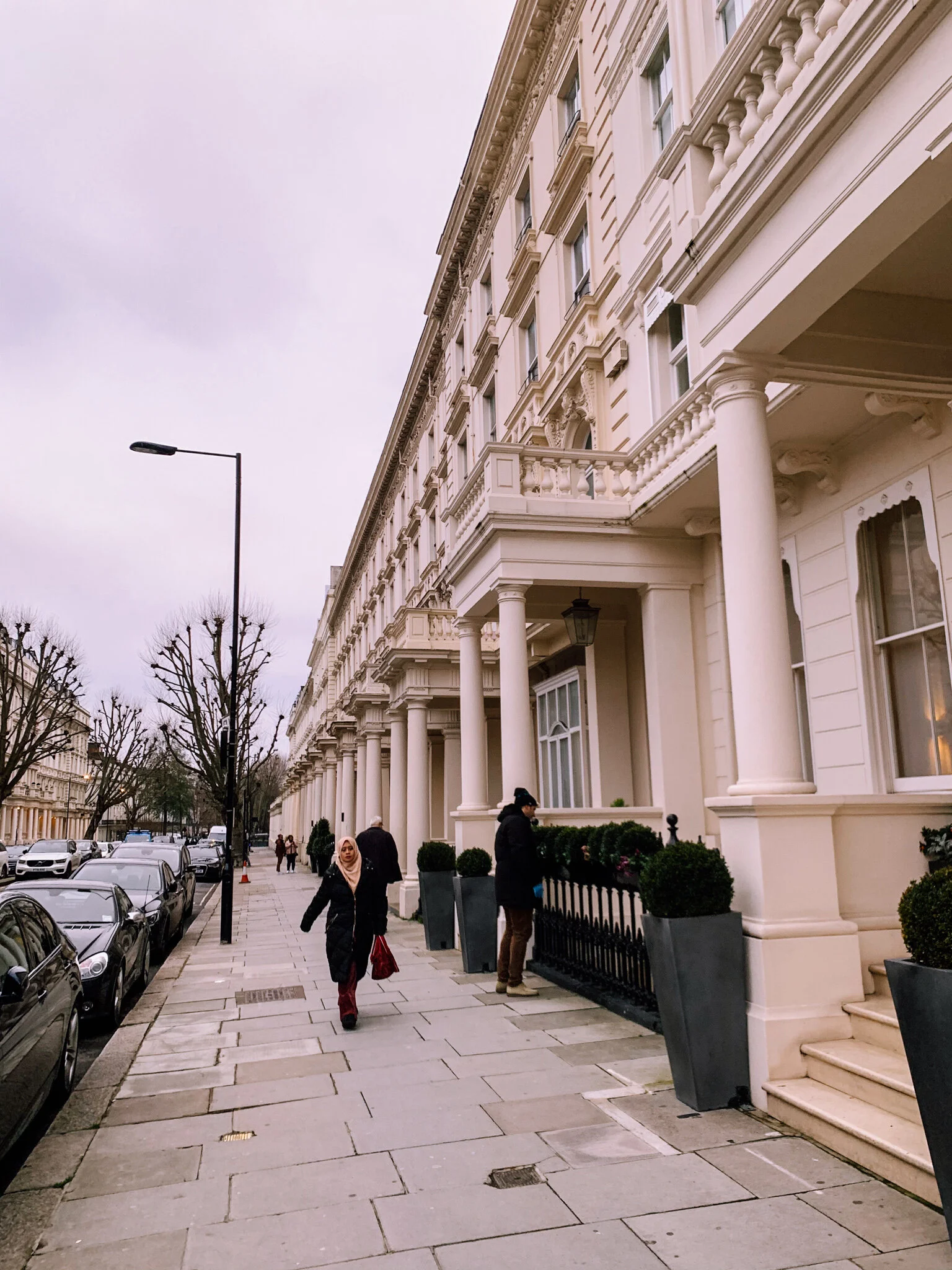
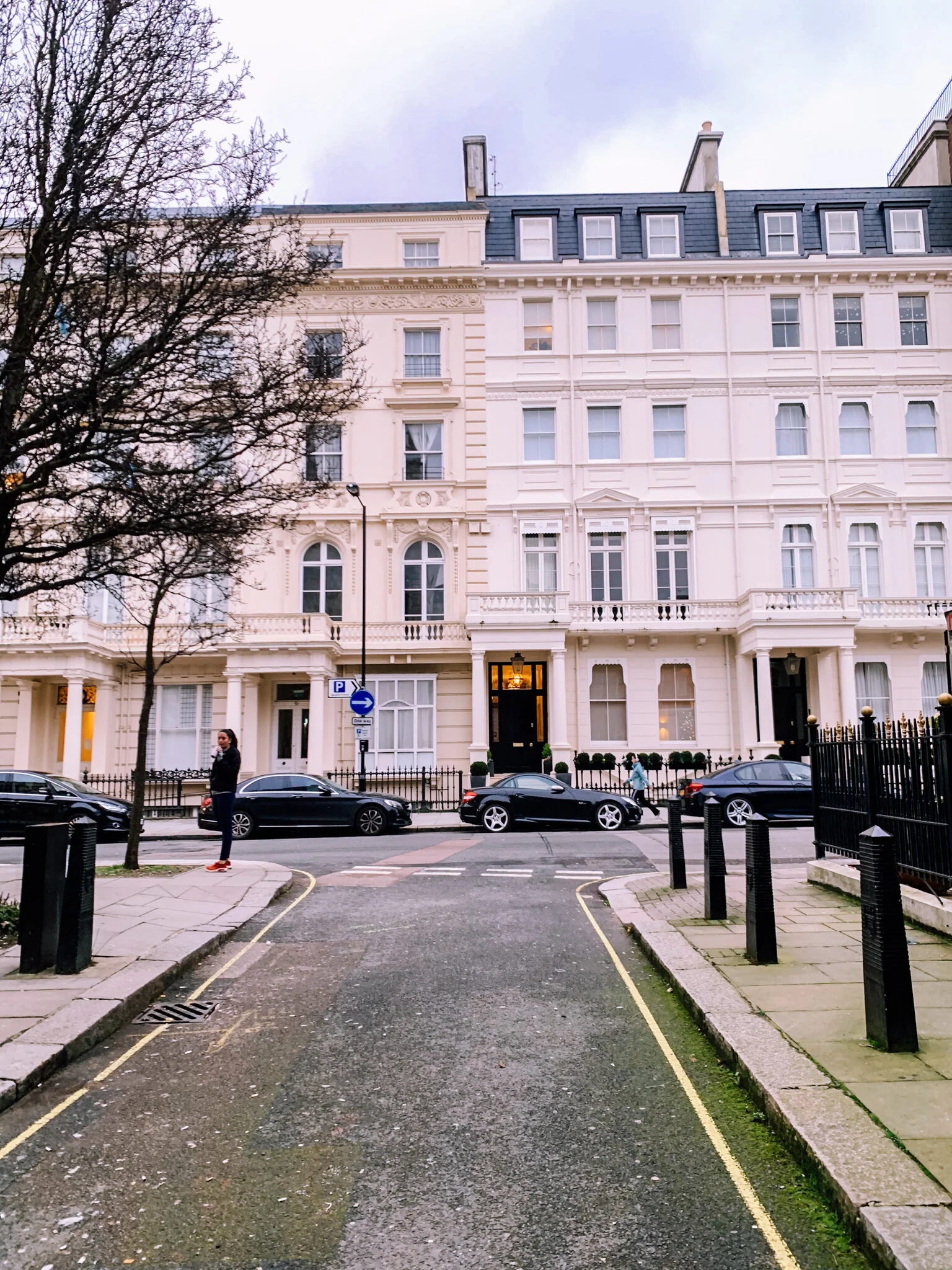
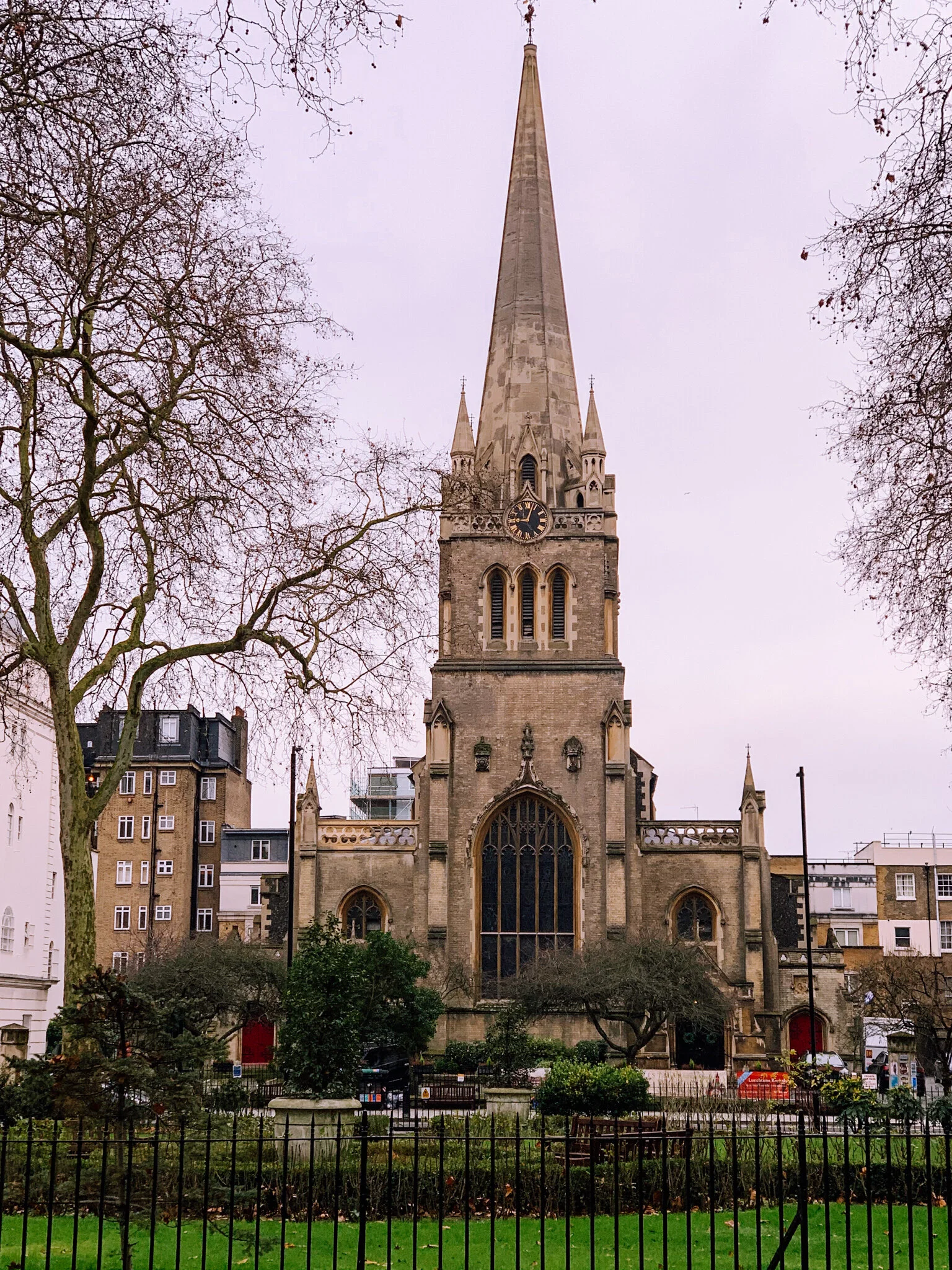
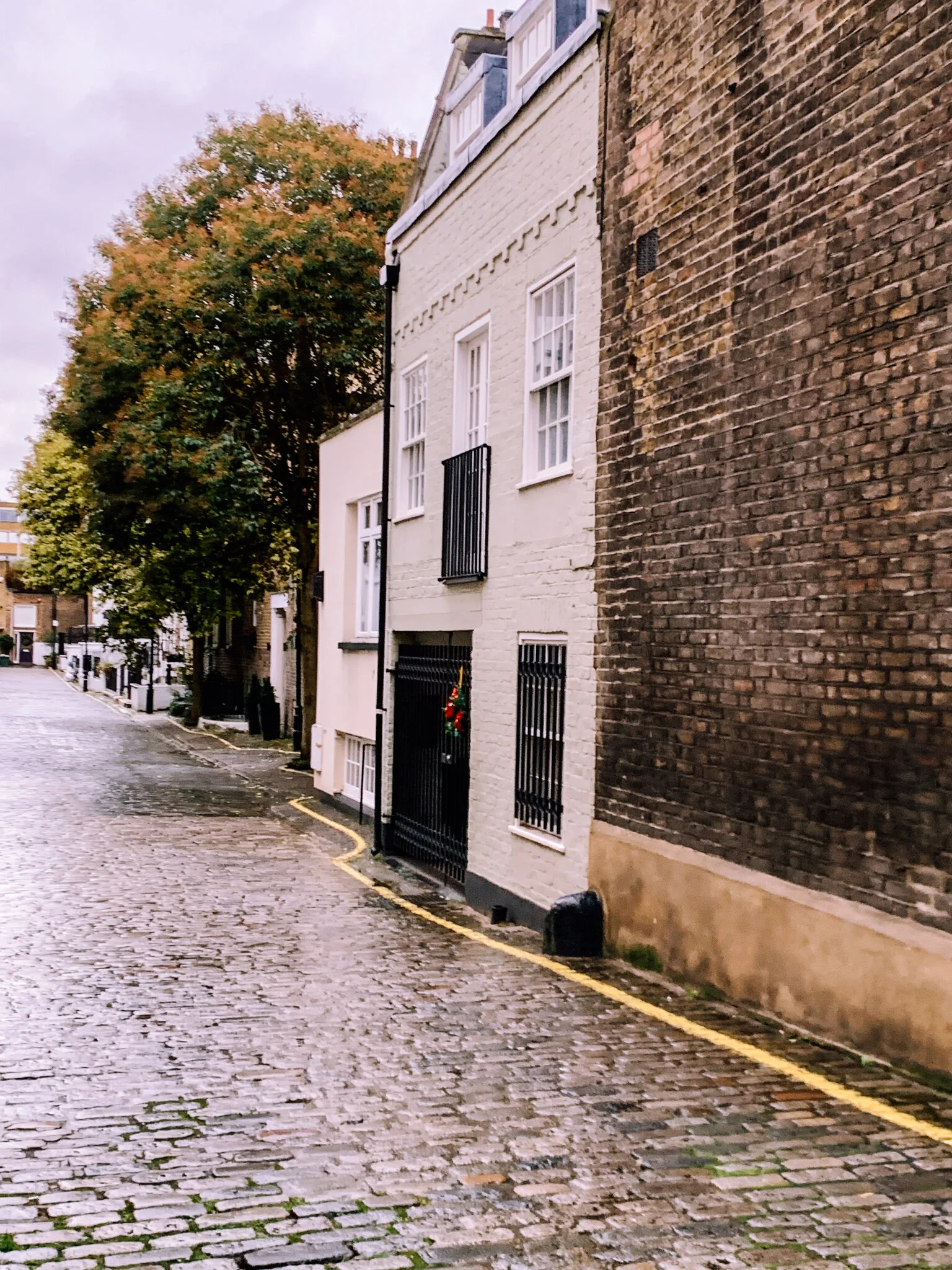
This mews was lined with a row of unique homes that were placed behind stately mansions facing the streets and public open spaces of the exclusive Marylebone area. A mews is a safe, nearly traffic-free, environment often found along quiet lanes. The mewses found in London have modest origins. The luxurious townhouses that were built in Marylebone in the 18th century needed space for horses, coaches, and servants. The solution was to build a road behind the townhomes where these spaces could be located. Most mews houses were two-to-three-story structures that had stables and a coach house on the ground floor and sleeping accommodations above. The mews lane was constructed with cobblestones and a drain down the middle to remove the waste from the horses.
Despite their simple origins, mews houses have become increasingly desirable. They offer quiet, neighborhood living in a fast-paced city. The most popular mews houses are often on terminated, enclosed lanes where children can play and cycle on the cobbles; and, where neighbors can set out tables amongst entry staircases and foliage to enjoy a glass of wine during the evenings. Buyers of mews houses fall into two categories: young professionals without children or just starting families; and, older people who are downsizing in the city. The biggest benefit to these two groups is having their own front door. The residents sit in their ground floor lounge and leave the front door open. They meet the neighbors as they pass by and offer them a drink. They get to know people and watch out for each other.
“Mews, London”
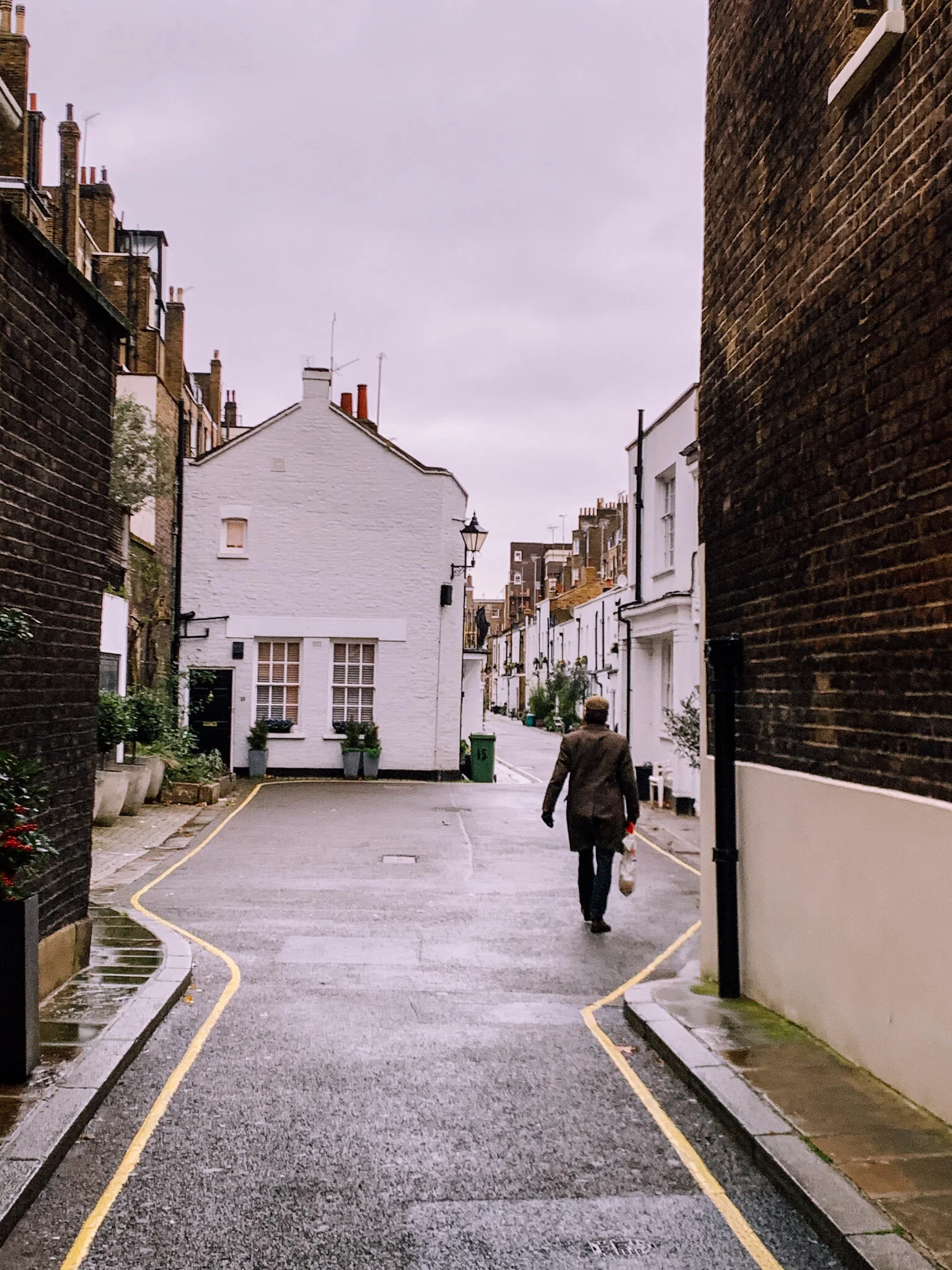
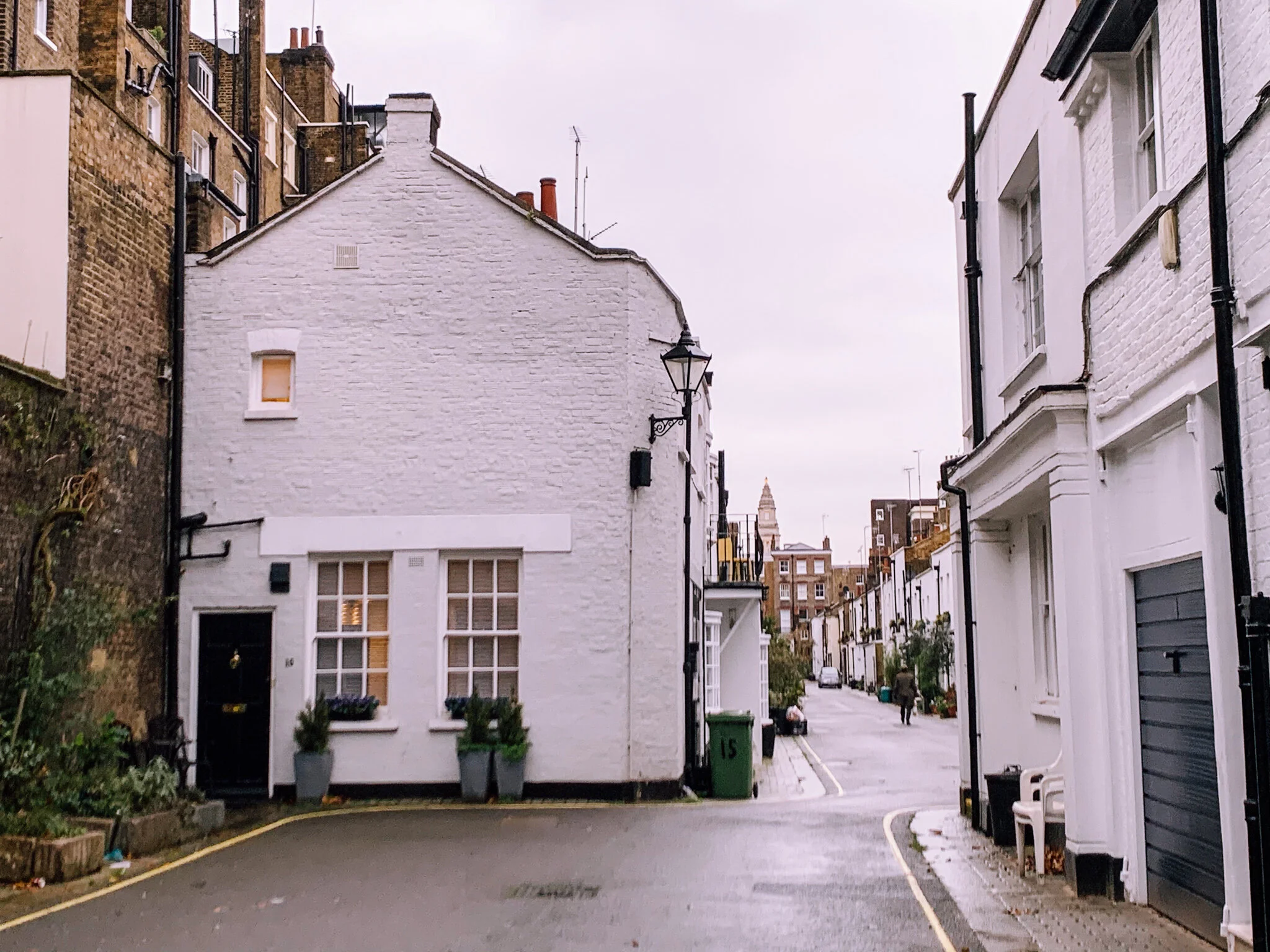
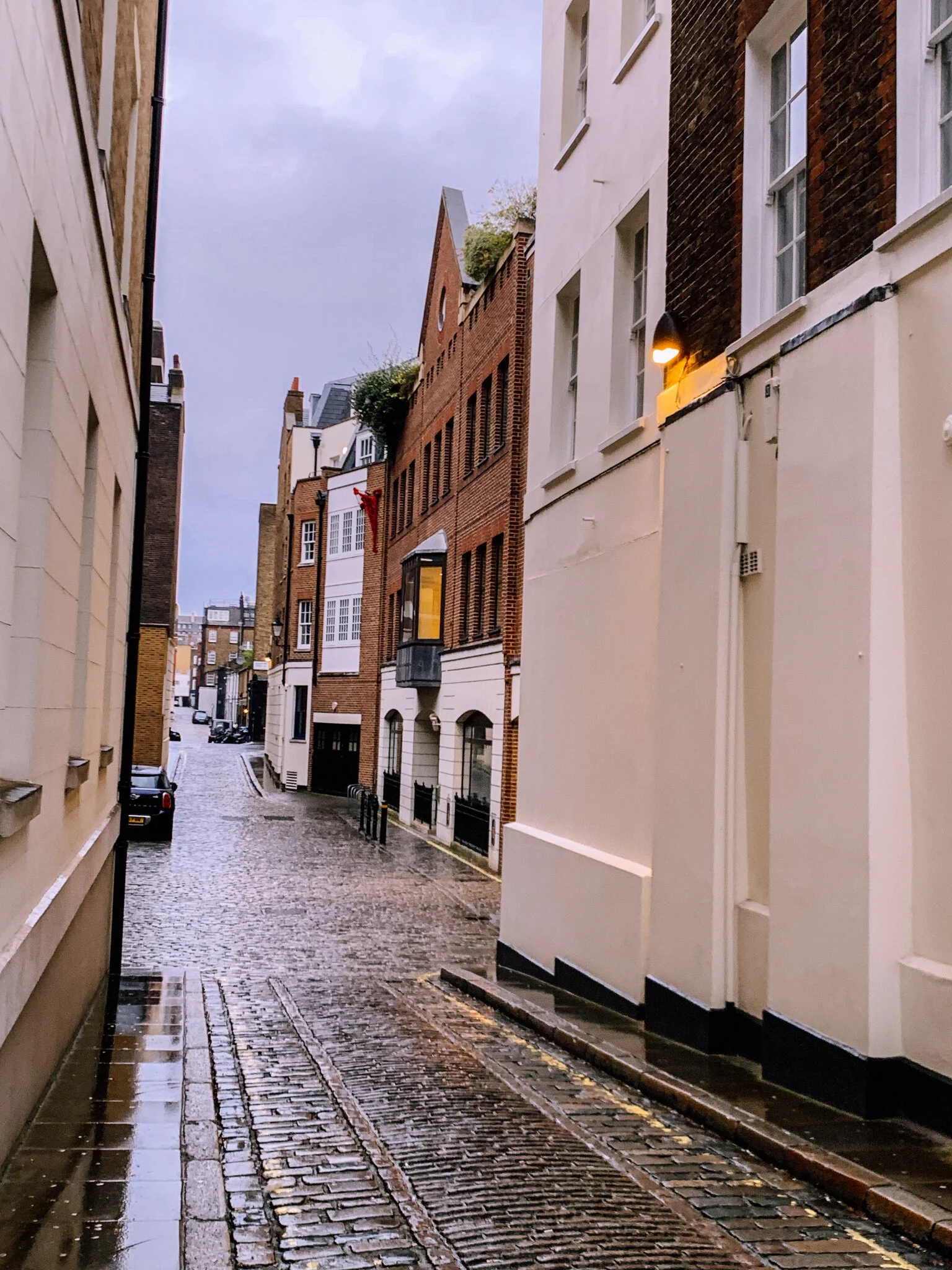
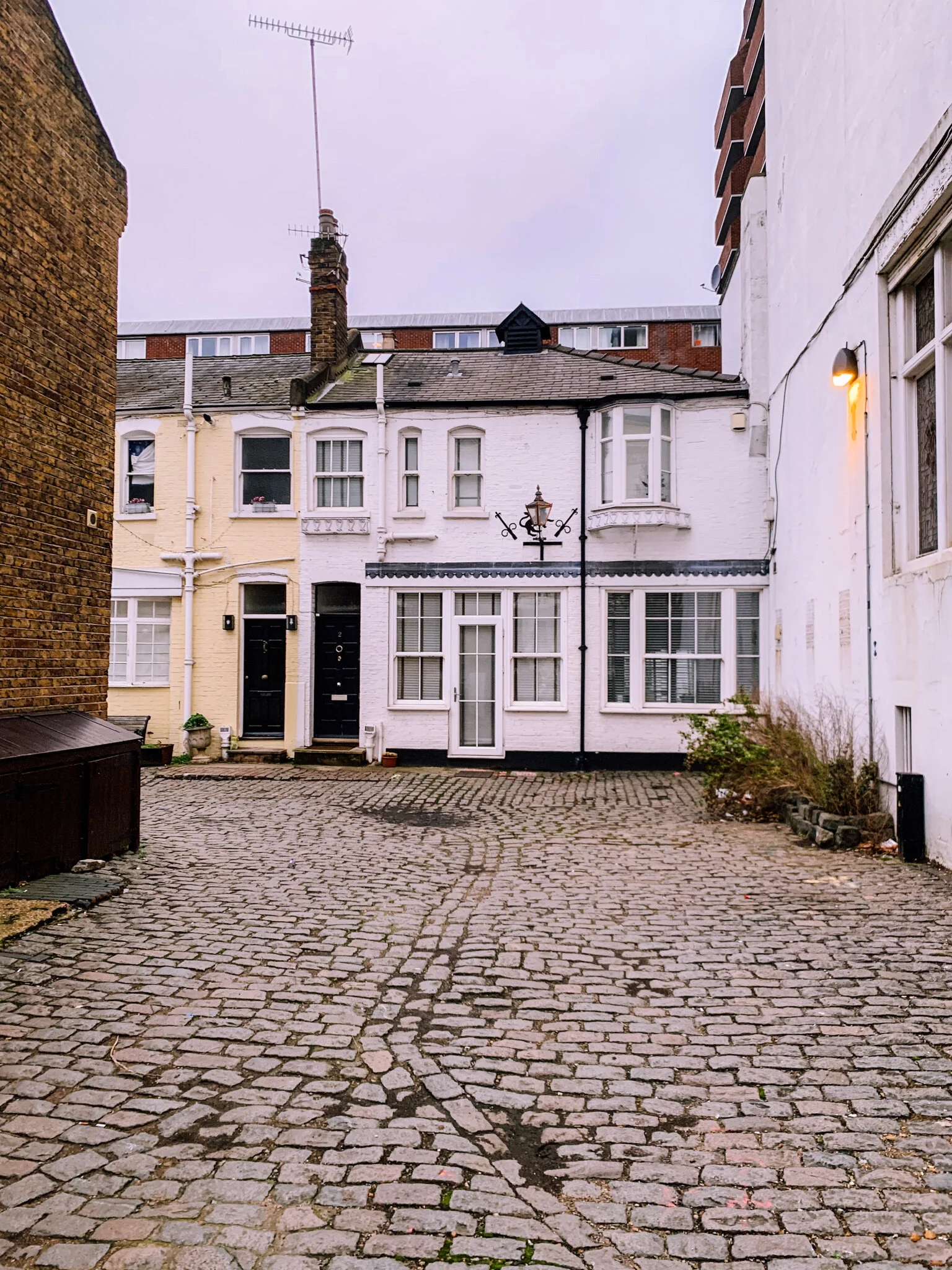
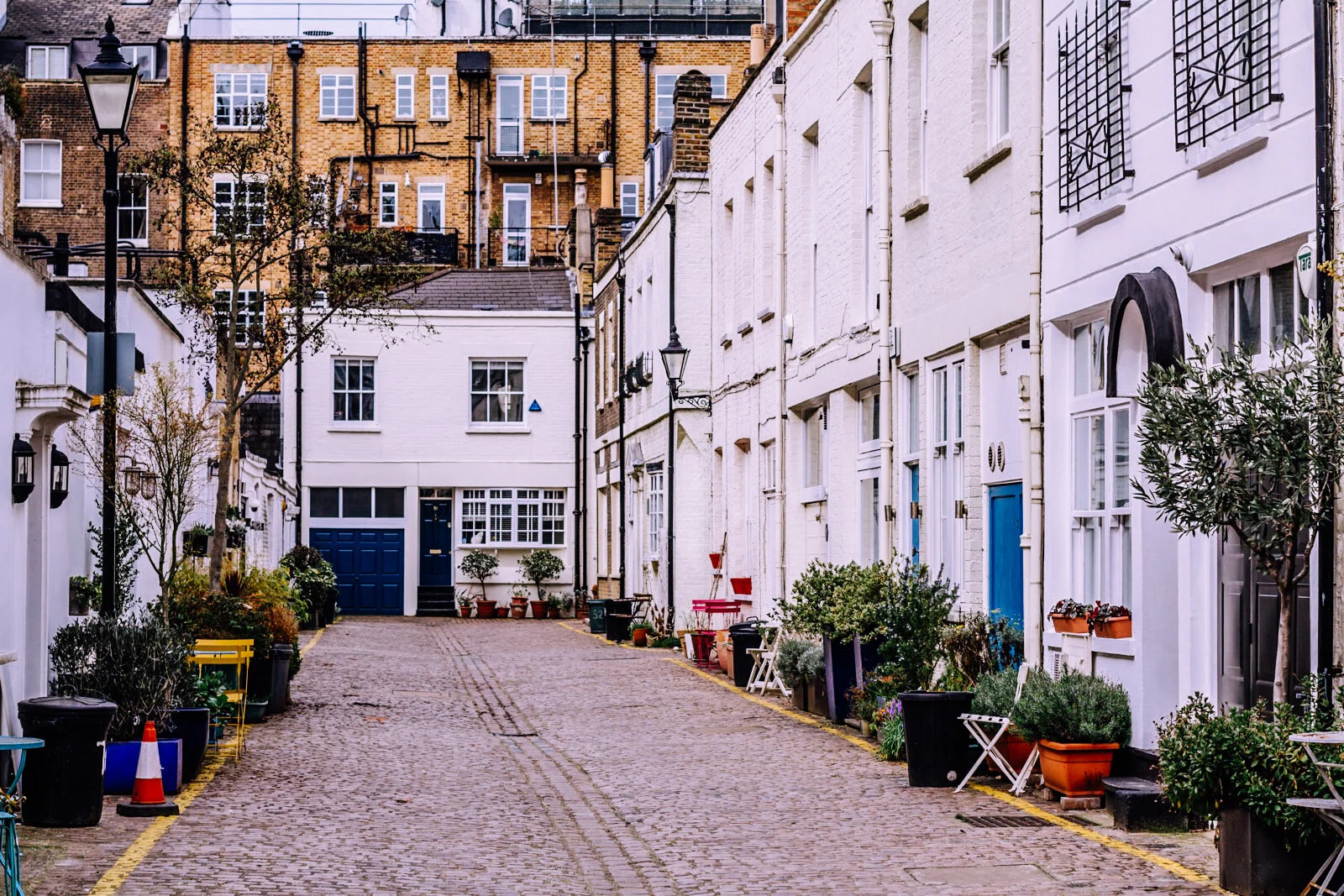
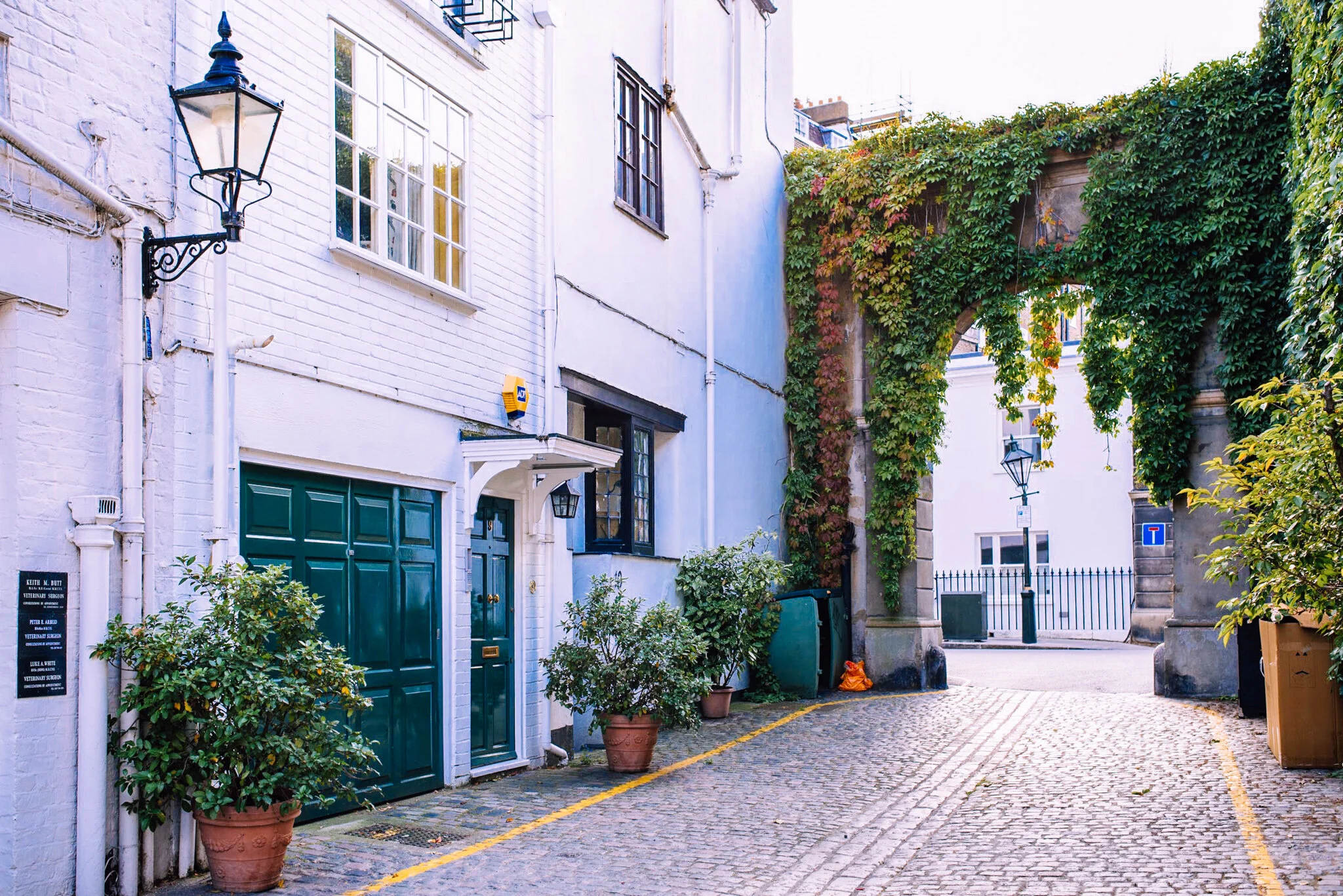
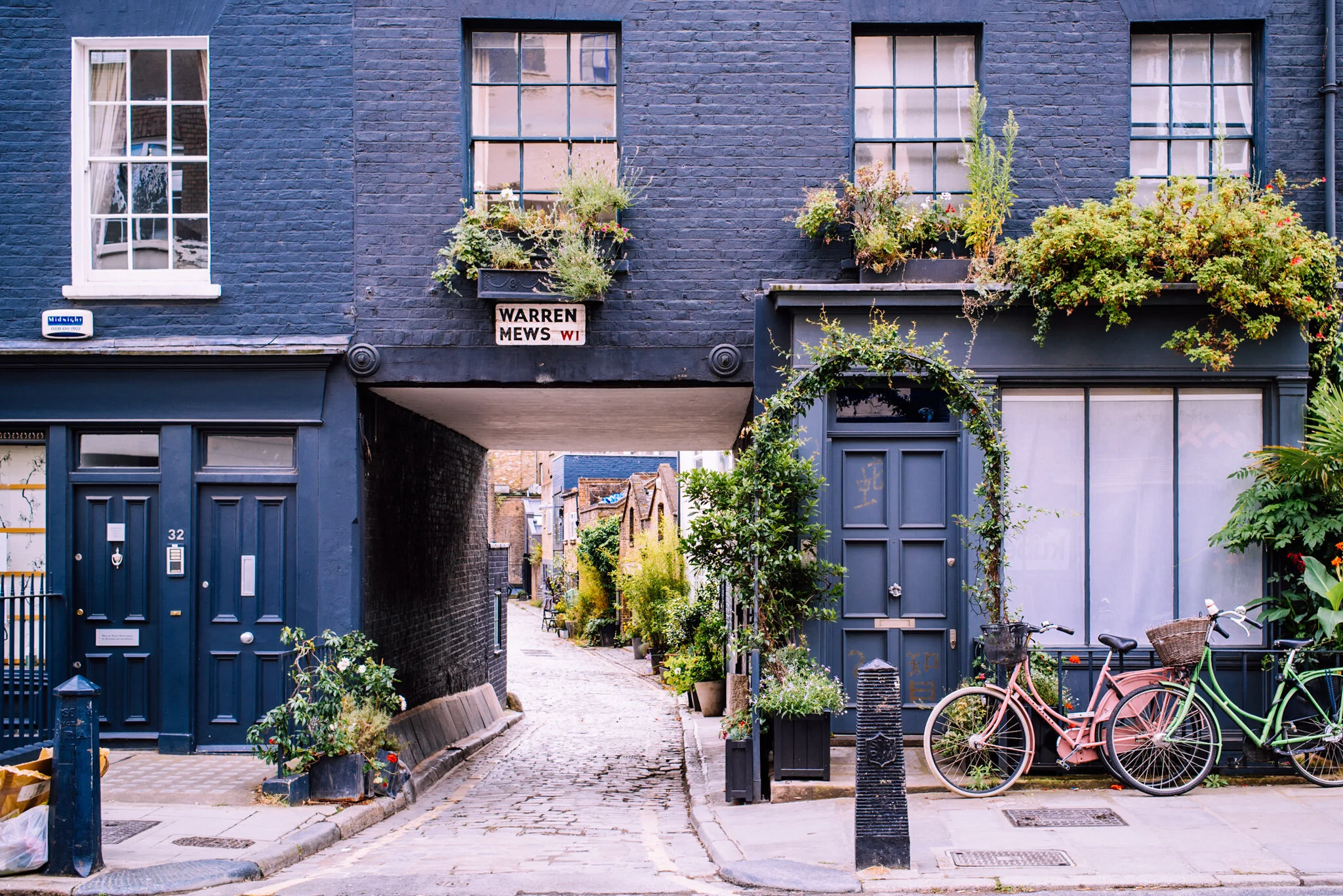
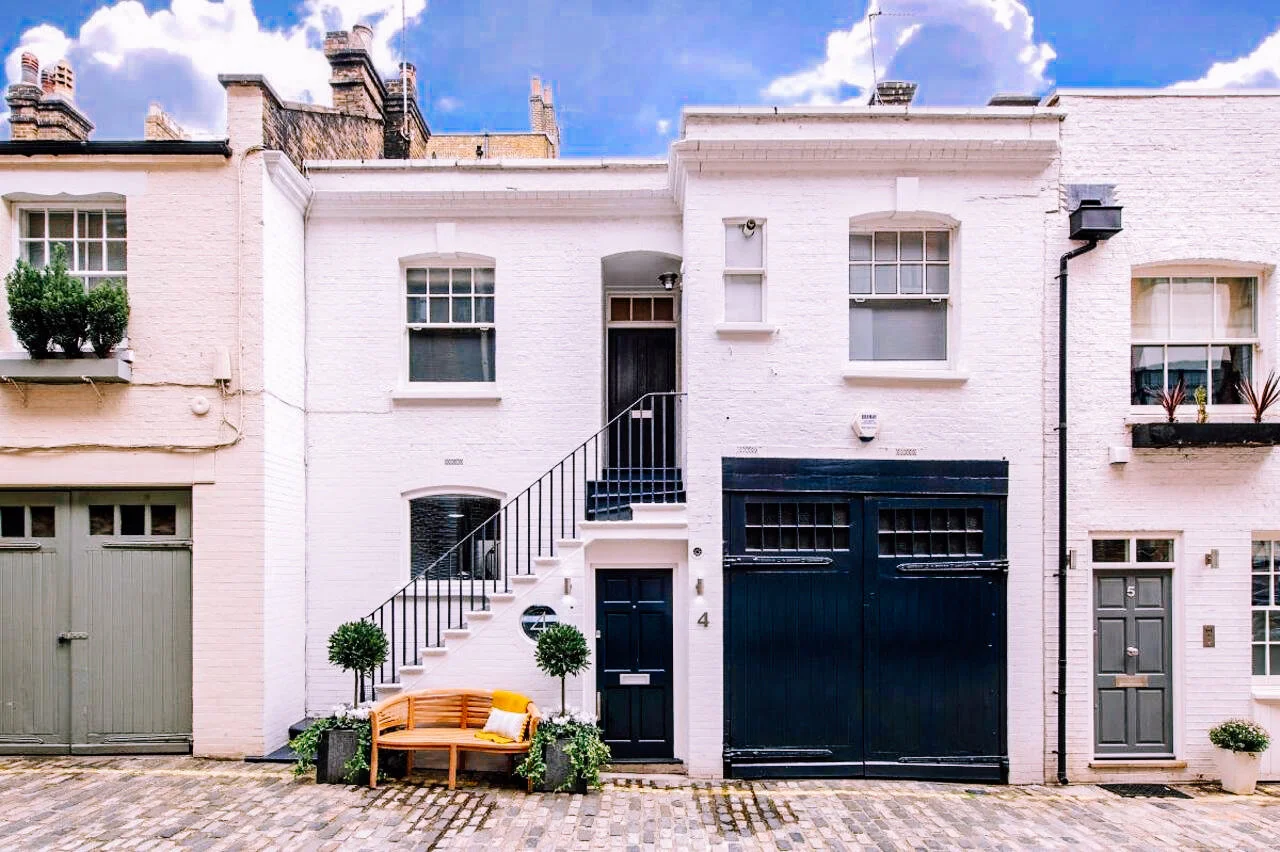
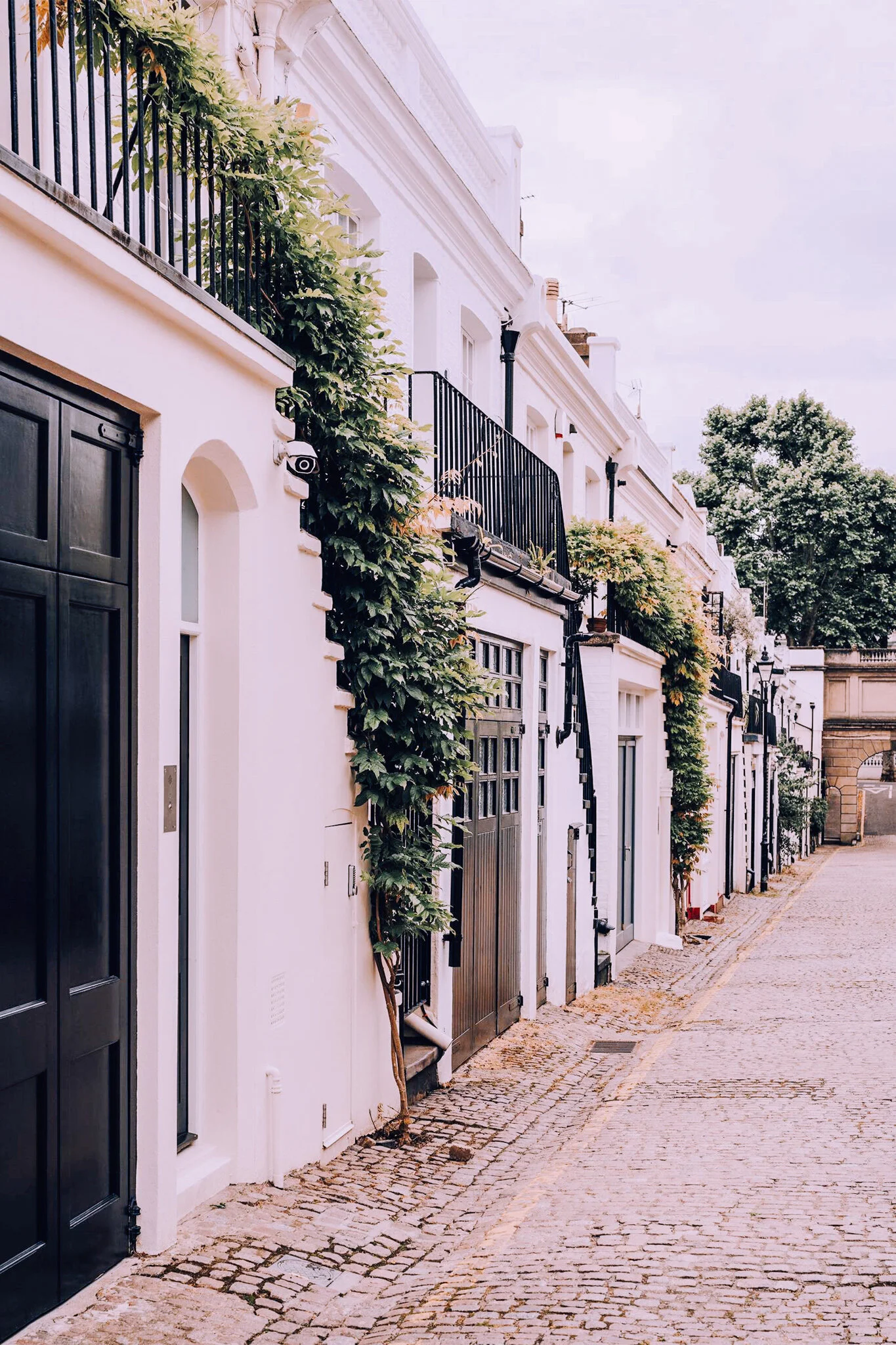
The most intriguing social aspect of the mews is the joy of intergenerational connection. The built form of the mews gives children the ability to explore the adult world freely through a safe public realm. The positive quality of the space helps the community feel safe and comfortable within the mews. In addition to an abundance of children, there is an abundance of old people. They are integrated physically and socially by sharing the same streets, services, and common land with everyone else. And further, they have a community of older peers within the neighborhood. When older and younger people form meaningful relationships, it improves the well-being of both cohorts. The younger people offer energy and renewal while the older people offer wisdom and experience. The older people, particularly those that practice being wholehearted, understand the value of play and rest, and help young people embrace risk and failure as the best route to learning. Unlike the middle-aged people focused on supporting their young family, older people understand the need to make time for what is important.
I was recently reading The Power of Vulnerability by Brene Brown. There were a few themes she mentioned that struck me when thinking about personal development at a young age, within our 30’s, and what we can offer to society as we get older. The most magical theme she offers is that it takes true strength and courage to allow yourself to be vulnerable. In everything we do, fear and criticism will always be there to greet us. As such, the best course of action is always to show up and move forward. You can only realize your true strength and spirit when you dare to be yourself, and accept your strengths, skills, and beauty as well as your flaws and insecurities. She also explains that we have to set boundaries and learn to say “no" in order to make room for the things that bring us joy. As we age and mature, we practice ways to make time that is important to our personal growth. We mindfully carve out unicorn space to invest in things we are passionate about. This renews our soul and fuels our creativity. Older people understand and explain that wholeheartedness and authenticity are not fixed qualities, they are skills that you practice over time by celebrating who you actually are.
Brene also references the work found in Play and says that Stuart Brown is her kindred spirit. Can they both be mine? While listening to Play on my walk in London, Stuart outlines a few key properties of unstructured play: it is time spent without a purpose, it is something you do not want to end and you lose track of time while doing, and it dissolves your self-consciousness. He tells us that play is not a luxury, it is a necessity for us to operate in our full potential. The opposite of play is not work; the opposite of play is depression. The same is true for rest. Without appropriate rest, we prevent ourselves from fully experiencing the joyful moments of our days. When we play and rest we are our most creative selves. Creativity is a function of being human. For us to be creative, we have to be vulnerable.
What older people appreciate and teach is that things we cherish are hard and take time to nurture. Younger people tend to look for satisfaction in things that are fun, fast, and easy. That was me in my 20’s and early 30’s! Transformation begins with an acceptance that there is value to hard, pulsed-out work overtime. In our 30’s, we begin to comprehend this and take a different approach. We can choose to create a good work product and while we are doing it we can rest, play, create, and work on being more wholehearted, vulnerable, and creative. As such, the process is more important than the end result.
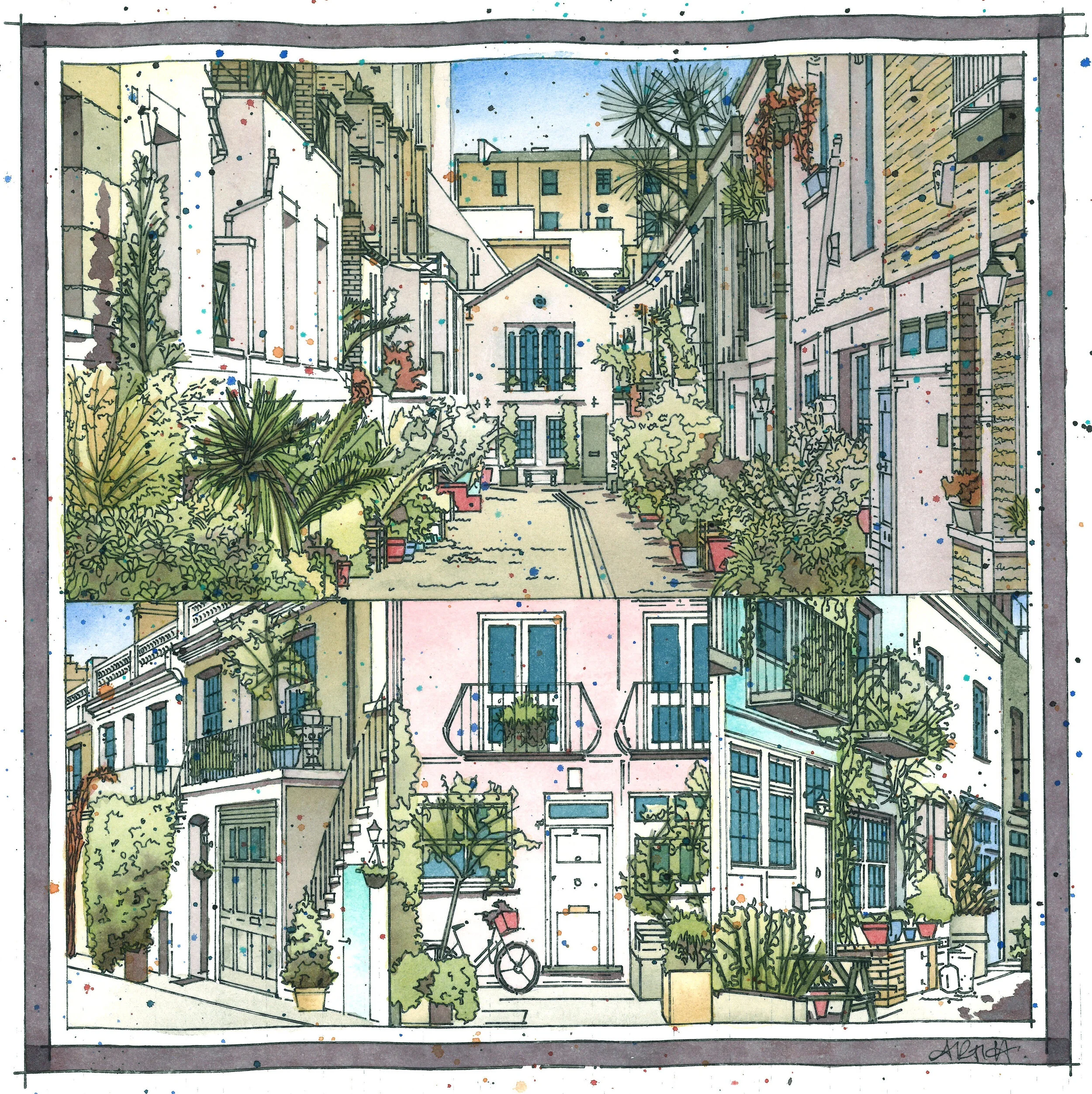
Just as we evolve in various stages of our lives, so do walkable neighborhoods and cities. A city does not emerge with skyscrapers. It takes time and evolves from neighborhoods of two-to-three-story, multifunctional buildings into denser building types as the services, demand, and density increase. The two-to-three-story buildings complete their lifecycle and establish the conditions for denser building types to thrive. That does not mean that every building changes. You can see a mixture of densities within a block in cities that have evolved over time. Similar to other patterns I have written about, this pattern is not unique to London. Mews and courtyard buildings can be found in San Francisco and New York (among other walkable places around the world).
![Why Moments of Pedestrian Interest Increase Our Ability to Remain Present [Siena]](https://images.squarespace-cdn.com/content/v1/5b63c07485ede1aa9c4b6ced/1624646417788-ODLQNYPWYY2C5V0P5D8H/Siena+Watercolor_Joyful+Urbanist.jpg)
![Joyfully Ordinary Stoops [San Francisco]](https://images.squarespace-cdn.com/content/v1/5b63c07485ede1aa9c4b6ced/1601237620604-CJ112QQAM5X9IYK09XR0/Joyful+Urbanist_Joyfully+Ordinary+Stoops.jpg)